By using WellRx, you accept our Privacy Policy (including the CA Privacy Act policy if you are a CA resident), including our collection of data and use of cookies.
Zepbound vs Ozempic
By Jillian Foglesong Stabile, MD FAAFP, DABOM
June 24, 2026
Prescription Drugs, Your Health & Wellness
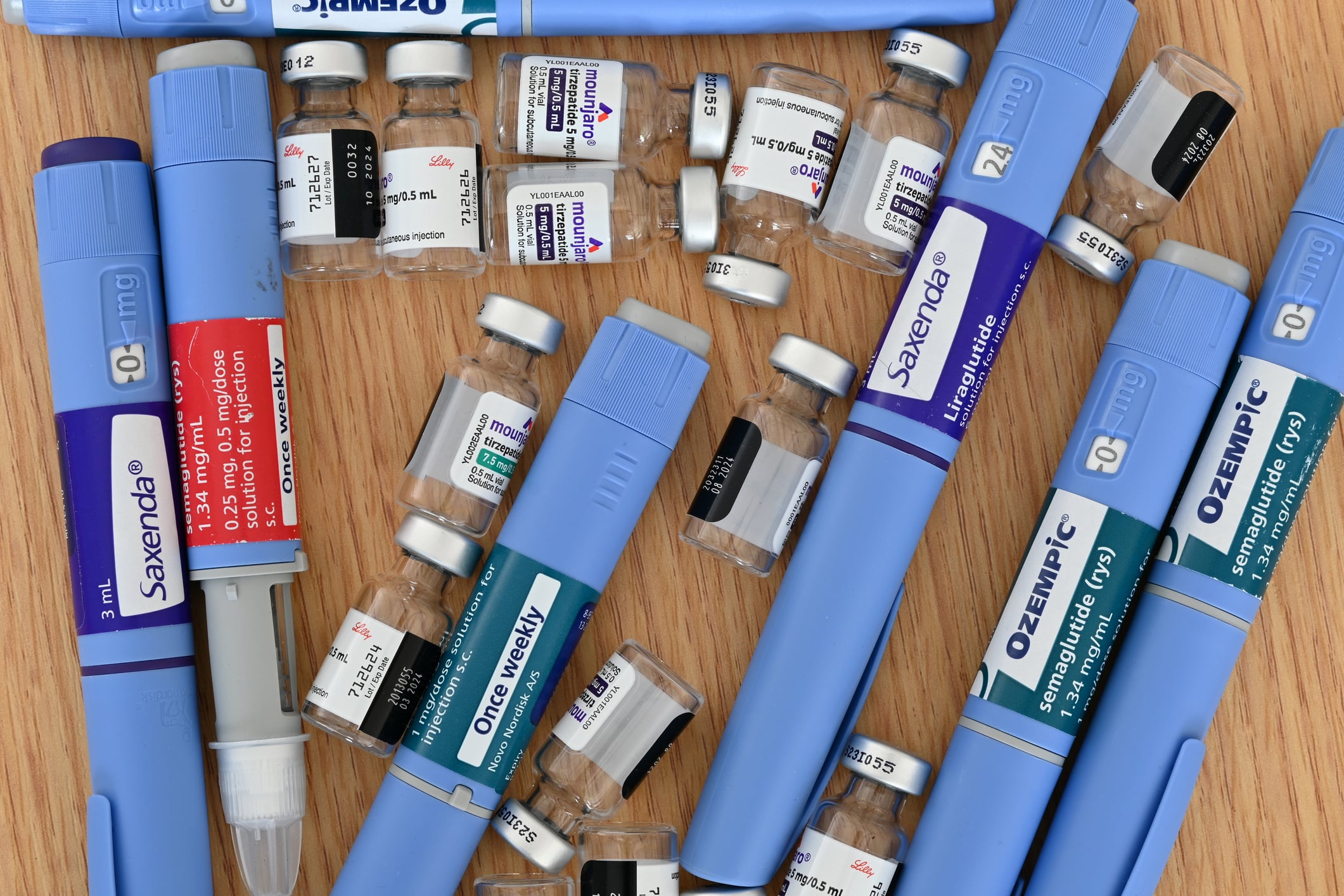
Zepbound vs Ozempic
Medications such as Zepbound and Ozempic have changed the treatment landscape for type 2 diabetes and weight management. These medications are taken once weekly as an injection. Understanding the differences, benefits, and safety concerns of each medication is important when deciding whether Zepbound or Ozempic is right for you.
What is Zepbound?
Zepbound (tirzepatide) is a prescription medication for treating conditions such as being overweight and obesity, as well as sleep apnea. The active ingredient, tirzepatide, acts on two receptors in the body: glucagon-like peptide-1 (GLP-1) and glucose-dependent insulinotropic peptide (GIP). By acting on these receptors, Zepbound mimics hormones that regulate appetite and blood sugar. This leads to less hunger and feeling full more easily.
Zepbound is taken weekly as an injection. For weight loss, Zepbound is prescribed as part of a comprehensive weight loss program that includes a reduced-calorie diet and increased physical activity.
What is Ozempic?
Ozempic (semaglutide) is a prescription medication that is approved to treat type 2 diabetes. While Ozempic is not specifically approved for weight loss, it is sometimes used off-label for this purpose. Additionally, Wegovy, another form of semaglutide, is Food and Drug Administration (FDA)-approved for treating obesity.
Ozempic acts on the GLP-1 receptors, stimulating the release of insulin and lowering blood sugar. Ozempic is also administered as a once-weekly injection.
Why use Zepbound vs Ozempic for weight loss?
Zepbound and Ozempic are both weekly injectable medications that can result in weight loss, but they have different active ingredients. When looking at medication options, many people wonder about Zepbound vs Ozempic weight loss. The main difference between Zepbound and Ozempic is that Zepbound contains tirzepatide, which affects both the GLP-1 and GIP receptors, while Ozempic contains semaglutide, which targets only the GLP-1 receptor. In clinical studies, Zepbound has been associated with greater average weight loss compared to Ozempic.
While Zepbound is FDA-approved for treating overweight and obesity, Ozempic is primarily approved for treating type 2 diabetes. Ozempic is sometimes used off-label for weight loss. Zepbound may be a better choice for weight management than Ozempic for patients who are primarily looking for weight loss rather than blood sugar control.
What is the difference between Ozempic and Zepbound?
Ozempic and Zepbound may both result in significant weight loss, but there are some key differences between the medications.
| Ozempic (semaglutide) | Zepbound (tirzepatide) | |
| Mechanism of Action | GLP-1 | GLP-1 and GIP |
| FDA Approval | -Type 2 diabetes -Reducing cardiovascular risk in type 2 diabetes with heart disease -Chronic kidney disease | -Management of overweight and obesity -Moderate to severe sleep apnea |
| Weight Loss Use | Off-label | Approved |
| Average Weight Loss | 10-15% of body weight | 15-21% of body weight |
| Side Effects | Nausea, vomiting, diarrhea, constipation, abdominal pain | Nausea, vomiting, diarrhea, constipation, indigestion, abdominal pain |
| Contraindications (Relative and absolute) | -Personal or family history of Medullary Thyroid Carcinoma -Personal or family history of Multiple Endocrine Neoplasia Syndrome Type 2 -Allergy to semaglutide -Pregnancy -Severe kidney or gastrointestinal disease -Pancreatitis | -Personal or family history of medullary thyroid carcinoma -Personal or family history of Multiple Endocrine Neoplasia Syndrome Type 2 -Allergy to tirzepatide -Pregnancy |
Is Zepbound the same as Ozempic?
Many people wonder if Tirzepatide is the same as Ozempic? Zepbound (tirzepatide) and Ozempic (semaglutide) are not the same medication, though there are some similarities. Is Zepbound like Ozempic? Both medications can help with weight loss and are administered as once-weekly injections. The main differences are in their approved uses and active ingredients.
Zepbound contains tirzepatide, which is a dual GLP-1 and GIP receptor agonist. It is approved for chronic weight management in people with obesity or overweight, as well as for moderate-to-severe sleep apnea.
Ozempic, on the other hand, contains semaglutide, which is a GLP-1 receptor agonist only. It is approved for the treatment of type 2 diabetes as well as chronic kidney disease and for reducing cardiovascular risk in people with type 2 diabetes and heart disease.
Is Zepbound better than Ozempic for weight loss?
Most people who are considering medication for weight loss are looking for the most effective options. So, is Zepbound better than Ozempic? Research studies indicate that Zepbound may result in more weight loss than Ozempic for people who are overweight or have obesity. This may be because Zepbound acts on both the GLP-1 and GIP receptors, while Ozempic acts only on the GLP-1 receptor. One head-to-head study showed that patients on tirzepatide were more likely to achieve higher weight-loss percentages than those on semaglutide.
What side effects are common between Zepbound and Ozempic?
Side effects are important when considering Zepbound or Ozempic for weight loss. Zepbound and Ozempic share many common side effects because they both act on the GLP-1 receptor. The most common side effects of both medications usually affect the gastrointestinal system.
Common side effects that the medications share include:
- Nausea
- Vomiting
- Diarrhea
- Constipation
- Abdominal pain
The side effects of both medications typically improve over time as the body adjusts to the medications. Other side effects that may occur in patients on Zepbound vs Ozempic include headaches, fatigue, or dizziness. Rarely, these medications can cause pancreatitis, problems with the gallbladder, or allergic reactions.
What side effects are not common between Ozempic and Zepbound?
While many Ozempic and Zepbound share many common side effects, there are some differences between the side effects these medications may cause. Zepbound may cause more reactions at the injection site as well as an increased risk of hair loss. Ozempic may be more likely to cause changes in taste and increases in heart rate.
Ultimately, if you experience side effects from Ozempic, Zepbound, or another medication, you should consult your healthcare provider for advice before stopping a medication.
How successful is Zepbound in treating obesity?
Zepbound has been shown to be successful in treating obesity. Because it affects both GIP and GLP-1 receptors, tirzepatide increases feelings of fullness and reduces appetite. Major studies have shown that people who use Zepbound in combination with obesity and overweight lose an average of 15-22.5% over 72 weeks. This is higher than weight loss percentages seen with other medications.
In addition to weight loss, many participants in the studies demonstrated improvements in other health markers such as blood pressure, cholesterol, and blood sugar.
How successful is Ozempic for weight loss?
Ozempic has been proven highly effective for weight loss in people with type 2 diabetes, though it is only approved for type 2 diabetes. Semaglutide, the active ingredient in Ozempic, is approved for weight management under the brand name Wegovy.
Clinical trials have demonstrated 10-15% decreases in body weight over several months to a year when combined with diet and exercise. Ozempic has demonstrated significant improvements in blood sugar and cardiovascular risk factors.
Ozempic or Zepbound: Related FAQs
Can you switch between Ozempic and Zepbound?
It is possible to switch between Ozempic and Zepbound, but this should only be done under medical supervision. Ozempic and Zepbound are approved for different medical problems. Dosage, side effects, and individual health factors must be carefully considered when deciding whether to switch between the medications. Your healthcare provider can help you determine which of these medications is best for you and when it is appropriate to switch.
Is Tirzepatide the same as Ozempic?
No, tirzepatide is not the same as Ozempic. Tirzepatide is the active ingredient in both Zepbound, which is approved for weight management and sleep apnea, and Mounjaro, which is approved for type 2 diabetes. Both Ozempic and tirzepatide are weekly injectable medications, but they have different mechanisms. Your healthcare provider can help you determine which medication is best for you.
How soon can you see results with Zepbound or Ozempic?
With both Zepbound and Ozempic, some people may start to notice weight loss quickly within a few weeks. The most significant results usually appear after several months of consistent use. Everyone is different, so results may vary. Most people achieve the best results with Zepbound or Ozempic if they combine the medication with diet and exercise. It's important to follow up regularly with a healthcare provider.
How much weight can you lose using Ozempic or Zepbound?
Weight loss with Ozempic or Zepbound varies from person to person. On average, people who use Ozempic may lose up to 10-15% of their body weight. The best weight loss results are achieved when the medication is combined with a healthy diet and exercise. People using Zepbound may lose 15-22.5% of their body weight according to clinical trials. Like with Ozempic, the best weight loss results are seen when a healthy diet and exercise are combined with the medication. Use of these medications should be supervised by a healthcare professional.
Who is eligible for Ozempic or Zepbound for weight loss?
Ozempic is approved for people who have type 2 diabetes. This medication is sometimes used off-label for chronic weight management in people who are overweight or have obesity. Zepbound is approved for chronic weight management in adults who have a BMI of greater than or equal to 30 or a BMI of greater than 27 and a chronic weight-related condition. Not all insurance companies cover Ozempic or Zepbound, which can sometimes make getting the medications more difficult.
Who can't take Ozempic or Zepbound?
People who have a personal or family history of medullary thyroid carcinoma or those who have a personal or family history of multiple endocrine neoplasia syndrome type 2 should not take Ozempic or Zepbound. There are other conditions, such as pancreatitis, pregnancy, or kidney disease, that may not allow the use of Ozempic or Zepbound. Your healthcare provider can help you determine which medication options are best for you.
If you take Zepbound or Ozempic to lose weight, will you need to keep taking them forever?
Obesity is a chronic disease, and often long-term management is needed to maintain results. Studies show that weight may gradually return if the medications are stopped. One recent study showed that about 60% of weight is regained in the first year, and weight regain continues beyond that, plateauing at around 75%. Lifestyle changes may help prevent some weight gain, though studies have shown that even with these changes, most people regain at least some of the weight. The decisions about whether to stop Zepbound or Ozempic should be part of a discussion with your healthcare provider.
What are some alternatives to Ozempic or Zepbound?
There are many alternatives to Ozempic for the management of type 2 diabetes. For weight loss, Wegovy is another name for semaglutide, the active ingredient in Ozempic. Wegovy is approved for weight management. Saxenda (liraglutide) is another GLP-1 medication that is approved for weight management. Contrave (bupropion/naltrexone), Qsymia (phentermine/topiramate), phentermine, and orlistat are all FDA-approved for weight management. Lifestyle interventions, like diet and exercise, remain crucial to long-term success in weight management. For some people, bariatric surgery may be considered for long-term weight management.
Zepbound vs Ozempic vs Mounjaro vs Wegovy: What's the difference?
Zepbound and Mounjaro are both medications containing tirzepatide, which targets both GLP-1 and GIP receptors. While Zepbound is approved for weight management and moderate-to-severe sleep apnea, Mounjaro is approved for type 2 diabetes.
Similarly, Ozempic and Wegovy both contain semaglutide and target the GLP-1 receptors only. Ozempic is FDA-approved for diabetes, while Wegovy is FDA-approved for weight loss. All four medications are available as a once-weekly injection. However, Wegovy is also available in a once-daily pill.
Can weight loss drugs such as Zepbound or Ozempic cause depression or suicidal thoughts?
Depression is common in people who are overweight or obese. Medications such as Zepbound and Ozempic have rarely been linked to depression and suicidal thoughts. However, some studies have demonstrated potential benefits of GLP-1 receptor agonists for treating major depressive disorder. These mediations are not currently FDA-approved for treating depression.
Is Zepbound a semaglutide?
Zepbound is not the same as semaglutide. Zepbound contains tirzepatide, which is a dual GIP and GLP-1 receptor agonist. Semaglutide, on the other hand, is the active ingredient in both Ozempic and Wegovy. Both tirzepatide and semaglutide are used to treat weight loss and diabetes, but they have different active ingredients and mechanisms of action.
Can you take Zepbound and Ozempic together?
Zepbound and Ozempic should not be taken together. Though they are different medications, they work similarly, and combining them may increase the risk of side effects without adding any benefit. Your healthcare provider can help you determine which medication is most appropriate based on your individual health needs and medical history.
How to decide which medication is right for you?
Deciding which medication is right for you, whether it is Zepbound, Ozempic, or another option, depends on your health goals, medical history, and the guidance of your healthcare provider. Factors that can guide the decision include weight loss needs, diabetes status, potential side effects, and insurance coverage. Your healthcare provider can help you tailor treatment to your unique needs.
Which is safer, Ozempic or Zepbound?
Both Ozempic and Zepbound have similar safety profiles. They share many common side effects, such as nausea and digestive problems. The safety depends on your medical history, the medications you take, and other risk factors. Your healthcare provider can help you determine which medication is best for your individual needs.
Medication Savings with ScriptSave® WellRx
We understand that medications can be expensive. If your healthcare provider has prescribed Zepbound, Ozempic, or another medication, you may be wondering how to save money on your medications. Consider visiting us at WellRx.com.
Some people save a little. Some people save a lot. Prices vary across zip codes. Even pharmacies across the street from each other can have huge price differences. We aim to bring transparency to prescription medication pricing, helping consumers keep more money in their pockets. The average savings is 75%, but you may save up to 80%*.
ScriptSave has been helping consumers save on their prescriptions for 25 years.
*DISCOUNT ONLY – NOT INSURANCE. The program is administered by Medical Security Card Company, LLC
Author Bio
Jillian Foglesong Stabile, MD FAAFP, DABOM is a board-certified family physician. She practices full-scope family medicine in rural Eastern Washington state. Dr. Foglesong Stabile enjoys providing whole-life care ranging from prenatal care to hospice and end-of-life care. Her favorite thing about family medicine is being able to provide multigenerational care to families.
References
https://www.ncbi.nlm.nih.gov/books/NBK585056/
https://www.ncbi.nlm.nih.gov/books/NBK603723/
https://link.springer.com/article/10.1007/s12325-025-03340-2
https://pmc.ncbi.nlm.nih.gov/articles/PMC9486455/
https://pmc.ncbi.nlm.nih.gov/articles/PMC12579654/
https://pubmed.ncbi.nlm.nih.gov/40353578/
https://www.thelancet.com/journals/eclinm/article/PIIS2589-5370(26)00043-X/fulltext
https://www.sciencedirect.com/science/article/pii/S0022395623002273
https://www.sciencedirect.com/science/article/pii/S1064748123003949
https://www.sciencedirect.com/science/article/pii/S0924977X25001518
https://www.wellrx.com/ozempic/drug-information/
https://www.wellrx.com/zepbound/drug-information/

Save on the Go
For your convenience, use the ScriptSave®WellRx mobile app. Now savings are well in hand, right at the pharmacy counter. Save on your family's prescription medicines.


Get a Prescription Discount Card
Your choice. Get a ScriptSave WellRx Savings Card. Or Download the free mobile app from the App Store or Google Play Store

Grocery Guidance
ScriptSave WellRx Grocery Guidance leverages leading-edge nutritional data science to help you know which food products on your grocery store shelf are truly good for YOU.
Recommended Articles

Ozempic Face: What It Is, Causes, & How to Prevent It
September 23, 2026
Ozempic face explained: what it is, what causes the hollow, aged look from rapid weight loss, who gets it, and how to prevent or treat it.

Saxenda vs Wegovy: Which Burns More Fat in 2026?
September 10, 2026
Saxenda vs Wegovy compared for 2026. See which GLP-1 leads to more weight loss, plus differences in dosing, side effects, cost, and overall effectiveness.

Is Ozempic Safe? FDA Data, Side Effects & Long-Term Risks (2026)
August 27, 2026
Discover Ozempic's safety profile, common side effects, long-term risks, and who should avoid it. Learn how to use it safely for diabetes and weight loss.