Does Tretinoin Help with Acne Scars
By Jillian Foglesong Stabile, MD, FAAFP, DABOM
June 17, 2026
Prescription Drugs, Your Health & Wellness
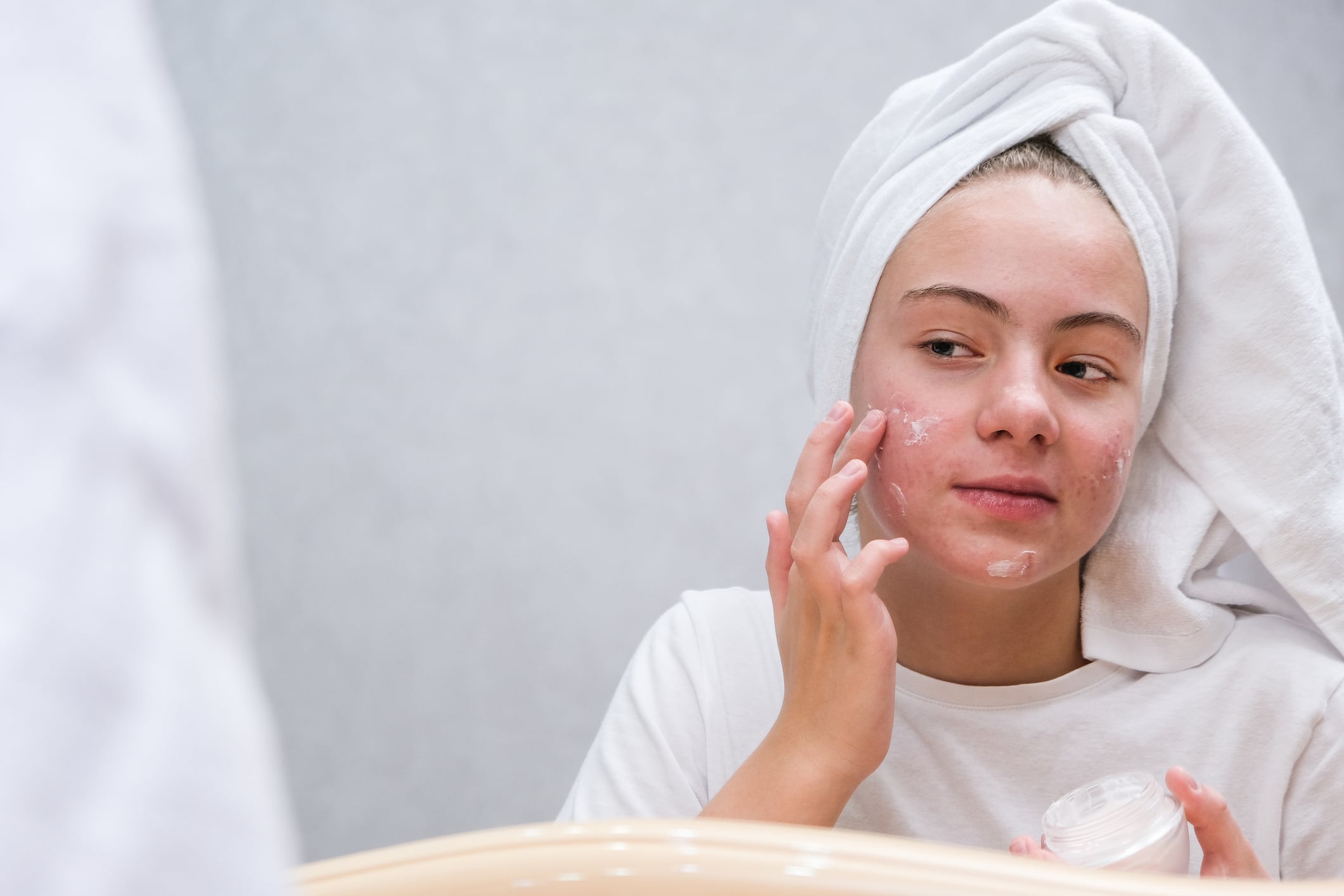
Does Tretinoin Help with Acne Scars
Tretinoin, a common medication prescribed by dermatologists, is useful to treat a wide range of skin conditions. But does tretinoin help with acne scars? In most cases, tretinoin may decrease the appearance of acne scars by helping old skin cells shed and new ones grow. Tretinoin has many potential benefits for acne scars and other skin conditions.
How Does Tretinoin Work?
Tretinoin, sometimes called all-trans retinoic acid, is a form of vitamin A that's commonly used in dermatology. It helps treat acne, smooth fine lines, and improve skin texture. Tretinoin works by encouraging your skin to renew itself more quickly. It helps old, dead skin cells shed faster and supports the growth of fresh, new cells. This process keeps pores clear, which can help prevent acne from forming.
Tretinoin attaches to specific receptors in your skin cells, which changes how those cells act. It helps your skin make more collagen and other proteins that keep it firm. This means tretinoin can help reduce fine lines and wrinkles. It also helps skin cells develop in a healthy way, which can smooth rough patches and gradually fade dark spots or acne scars.
Tretinoin also helps calm inflamed acne thanks to its anti-inflammatory properties. You'll usually start to notice improvements after a few weeks of regular use, so patience is important. Since tretinoin can make your skin more sensitive, it's important to use sun protection every day while you're using it.
Does Tretinoin Help with Acne Scars?
Tretinoin is a helpful topical treatment for improving the look of some acne scars, especially those that are shallow or show up as dark spots after acne heals. Since tretinoin is made from vitamin A, it helps your skin renew itself faster by shedding old, damaged cells and making room for new, healthy skin. Over time, this can help fade discoloration left behind by acne.
For acne scars that leave small dents or depressions in the skin, tretinoin can help by boosting collagen production. More collagen means your skin can become plumper and smoother, which may make mild to moderate indented scars less noticeable over time. For deeper scars or those with more tissue loss, other treatments like laser therapy or microneedling may be needed for the best results.
To see real improvements with tretinoin, you'll need to use it regularly over several months. It's also important to protect your skin from the sun every day, since tretinoin can make your skin more sensitive to sunlight. While tretinoin can make a big difference in skin texture and discoloration, it may not remove every type of acne scar completely.
10 Benefits of Using Tretinoin for Acne Scars
Tretinoin is a topical medication that's well known for helping your skin renew and repair itself. While it was first used to treat acne, it's now a popular option for tackling signs of aging, dark spots, and scars. Here are some of the main ways tretinoin can help your skin look and feel its best:
1. Promotes Skin Cell Turnover
Tretinoin speeds up your skin's natural renewal process, helping to shed old, damaged cells more quickly. This makes way for new, healthy cells to surface, which can brighten your complexion and give your skin a fresher appearance.
2. Fades Hyperpigmentation
By increasing the rate at which your skin renews itself, tretinoin gradually fades dark spots and discoloration caused by acne, sun exposure, or aging. Over time, this leads to a more even and radiant skin tone.
3. Stimulates Collagen Production
Tretinoin boosts the skin's production of collagen, a key protein that gives skin its firmness and structure. As collagen levels increase, the skin can appear smoother and firmer, which can help reduce the look of indented scars and improve overall skin texture.
4. Smooths Skin Texture
By promoting the growth of new, healthy skin cells and increasing collagen, tretinoin helps refine rough or uneven skin texture. Over time, this makes scars, bumps, and other irregularities less noticeable, leaving your skin looking smoother.
5. Reduces Fine Lines
Tretinoin not only helps improve the appearance of scars but also reduces fine lines and wrinkles by encouraging the skin to renew itself. This results in a smoother surface and helps scars blend more smoothly with the surrounding skin.
6. Prevents New Acne
Tretinoin helps keep pores clear by preventing dead skin cells from clogging them. This reduces the risk of new breakouts, which in turn lowers the chance of developing new acne scars.
7. Improves Skin Tone
By promoting even skin cell turnover, tretinoin minimizes blotchiness and dark spots, leaving you with a more uniform and clearer complexion.
8. Minimally Invasive
Tretinoin is simply applied to your skin, so you can improve scars without surgery or downtime. It's a gentle way to help your skin heal and look better.
9. Enhances Results of Other Treatments
Tretinoin can be safely combined with other skin treatments—such as chemical peels, microneedling, or laser therapy—to enhance results. Combining therapies can often lead to greater and faster improvement in skin texture and appearance.
10. Long-Term Benefits
If you stick with tretinoin over time, you may notice your skin keeps getting smoother, clearer, and healthier. Regular use can bring lasting improvements in how your skin looks and feels.
How to Use Tretinoin for Scars Safely: 7 Routine Steps and Extra Tips
Tretinoin can do a lot to improve the look of scars, but how you use it matters. A steady routine helps you get the most benefit and keeps your skin comfortable. Here are some simple steps to help you use tretinoin safely and get the best results for scar treatment:
- Cleanse: Wash your face gently with a mild, non-abrasive cleanser and pat dry.
- Wait: Allow your skin to dry completely (usually 10–20 minutes) before applying tretinoin to minimize irritation.
- Apply a Pea-Sized Amount: Use only a small amount of tretinoin, spreading it thinly over the affected areas.
- Moisturize: After the tretinoin absorbs, apply a gentle, non-comedogenic moisturizer to reduce dryness and irritation.
- Nighttime Use: Apply tretinoin only at night, as it can make skin more sensitive to sunlight.
- Sun Protection: Use a broad-spectrum sunscreen every morning and reapply as needed, since tretinoin increases sun sensitivity.
- Be Consistent: Apply tretinoin regularly as prescribed, but do not use more than directed.
Extra Tips for Safe Use
Tretinoin can have a significant impact on your skin's texture and scars, but it's important to use it safely. These tips can help you get the best results, keep your skin comfortable, and protect your skin's health along the way.
- Begin by adding tretinoin to your routine slowly. Try using it every other night, or just two or three times a week at first. This gentle start gives your skin time to adjust and helps prevent irritation, redness, or dryness. As your skin gets used to tretinoin, you can slowly use it more often if it feels comfortable.
- Avoid using tretinoin with other products that might irritate your skin, like scrubs, benzoyl peroxide, strong acids such as glycolic or salicylic acid, or astringents, unless your dermatologist says it's okay. Using these together can make irritation, redness, and peeling more likely. If you're not sure if something is safe to use with tretinoin, ask your skincare provider for advice.
- Don't put tretinoin on skin that's already damaged, like open cuts, sunburned spots, or areas with active irritation. This can make things worse and slow down healing. Wait until your skin is healthy again before using tretinoin on those spots.
- Take care not to get tretinoin near sensitive areas like around your eyes, the corners of your nose, or the edges of your mouth. These spots can get irritated or dry out more easily. If needed, you can use a gentle moisturizer as a barrier to protect these areas.
- If you see a lot of dryness, peeling, or redness after starting tretinoin, try using it less often and keep up with regular moisturizing. If irritation keeps happening or gets worse, contact your healthcare provider or dermatologist. They can help you find a lower strength or suggest another approach that works for you.
- Be patient as you use tretinoin—visible changes can take a few weeks or even a few months to show up. Stick with your routine, and remember that slow, steady progress is normal as your skin renews and scars start to fade.
- Always follow your dermatologist's advice about how to use tretinoin, including how often to apply it, how much to use, and which other skincare products are right for you. Your dermatologist knows your skin and can help you get the best and safest results.
When Not to Use Tretinoin for Acne Scars: 10 Warnings
There are several serious situations when using tretinoin for acne scars is not recommended, as it could lead to further irritation, delayed healing, or other complications. Being aware of these scenarios can help you protect your skin and avoid unnecessary side effects. Below are common circumstances where it's best to pause or avoid tretinoin treatment for acne scars:
- Active Sunburn: If your skin is sunburned, wait until the sunburn has completely healed before applying tretinoin. Using tretinoin on sunburned skin can increase redness, stinging, and irritation, and may prolong the recovery process.
- Broken or Irritated Skin: Never apply tretinoin to areas with open wounds, cuts, active eczema, or severe irritation. These conditions make the skin more vulnerable to stinging and inflammation, and tretinoin can hinder the healing process.
- Severe Active Acne Flares: If you are experiencing a severe acne flare-up with significant inflammation, pus, or large cysts, it's best to hold off on tretinoin. Wait until the flare-up subsides, as tretinoin can further irritate already sensitive skin and may worsen inflammation.
- Pregnancy or Breastfeeding: Tretinoin is generally not considered safe to use during pregnancy or while breastfeeding due to the potential risk of harm to the baby. Always consult your doctor before using any retinoid products if you are pregnant, planning to become pregnant, or breastfeeding.
- Allergy or Sensitivity: Avoid tretinoin if you have a known allergy or hypersensitivity to tretinoin or other retinoid medications. Signs of an allergic reaction can include severe redness, swelling, itching, or blistering.
- Concurrent Use of Irritating Products: Combining tretinoin with other strong or irritating products—such as glycolic acid, salicylic acid, benzoyl peroxide, or physical exfoliants—can greatly increase the likelihood of irritation, redness, and peeling. Unless your dermatologist instructs otherwise, avoid layering these with tretinoin.
- Recent Waxing or Chemical Peels: If you have recently undergone hair removal (like waxing), laser treatments, or chemical peels, allow your skin to fully recover before starting or resuming tretinoin. These procedures temporarily weaken and sensitize the skin, making it more prone to irritation from tretinoin.
- Severe Rosacea or Eczema: People with active or uncontrolled rosacea or eczema should avoid tretinoin, as it can trigger flare-ups or worsen existing symptoms. If you have a history of these conditions, discuss with your dermatologist whether tretinoin is appropriate for you.
- Excessive Dryness or Peeling: If your skin is experiencing significant dryness, flaking, or cracking, stop using tretinoin temporarily. Resume application only when your skin has regained its moisture and barrier function.
- Before Excessive Sun Exposure: Avoid applying tretinoin right before spending extended time outdoors in the sun, such as on beach vacations or during outdoor sports. Tretinoin can make skin more sensitive to UV rays, increasing the risk of sunburn and damage. Always use sunscreen and protective clothing if you will be outside.
Tretinoin for Acne Scars: Before and After Cases
Related FAQs
Does tretinoin help with all types of scars or just acne scars?
Tretinoin is mainly effective for treating acne scars, especially those that are shallow or pigmented. It is less effective for deeper, raised, or non-acne-related scars, such as keloids or surgical scars. For these types, other treatments like laser therapy or microneedling are usually recommended.
How long does it take for acne scars to go away with tretinoin?
Improvement in acne scars with tretinoin usually becomes noticeable after 3 to 6 months of consistent use. Fading of pigmentation and smoother skin texture may appear gradually, but deeper scars may take longer or necessitate more treatments. Patience and regular application are vital for optimal results.
Does tretinoin help with stretch marks?
Tretinoin can help improve the appearance of early, red, or pink stretch marks (striae rubra) by boosting collagen production and cell turnover. However, it is less effective on older, white stretch marks (striae albae). Results vary, and consistent, long-term use is needed for noticeable improvement.
Does tretinoin help with dark spots?
Tretinoin is effective at fading dark spots, also known as hyperpigmentation, by accelerating skin cell turnover and encouraging the growth of new, even-toned skin. With regular use, dark spots gradually lighten over several weeks to months, resulting in a more uniform complexion and improved skin clarity.
Do dermatologists recommend tretinoin for scars?
Dermatologists often recommend tretinoin for treating certain types of acne scars, especially those involving discoloration or mild textural changes. Its ability to boost collagen and accelerate skin renewal can improve how scars look over time. However, for deeper or raised scars, dermatologists may suggest additional or alternative treatments.
Acne and acne scars are very common and can significantly impact your quality of life. If your healthcare provider has recommended tretinoin or another medication for acne scars, you may be wondering how to save money before you have it filled. Consider visiting us at ScriptSave WellRx. Some people save a little. Some people save a lot. Prices vary across zip codes. Even pharmacies across the street from each other can have huge price differences. Our aim is to bring transparency to prescription medication pricing, helping consumers keep more money in their pockets. ScriptSave has been helping consumers save on their prescriptions for 25 years.
References
https://www.ncbi.nlm.nih.gov/books/NBK557478/
https://pubmed.ncbi.nlm.nih.gov/32491410/
https://onlinelibrary.wiley.com/doi/abs/10.1111/jocd.15584
https://www.mdpi.com/1424-8247/19/4/620
https://cdn-uat.mdedge.com/files/s3fs-public/Document/July-2018/CT102001021.PDF
https://www.aad.org/news/updated-guidelines-acne-management
https://www.academicallderm.com/blog/how-long-does-tretinoin-take-to-work/
https://my.clevelandclinic.org/health/drugs/21391-tretinoin-lotion
https://www.mayoclinic.org/drugs-supplements/tretinoin-topical-route/description/drg-20066521

Save on the Go
For your convenience, use the ScriptSave®WellRx mobile app. Now savings are well in hand, right at the pharmacy counter. Save on your family's prescription medicines.


Get a Prescription Discount Card
Your choice. Get a ScriptSave WellRx Savings Card. Or Download the free mobile app from the App Store or Google Play Store

Grocery Guidance
ScriptSave WellRx Grocery Guidance leverages leading-edge nutritional data science to help you know which food products on your grocery store shelf are truly good for YOU.
Recommended Articles
Mounjaro Shortage
June 10, 2026
Mounjaro shortage resolved — read the latest 2026 availability updates, distribution changes, restock timelines, and tips for securing your prescription.

The Best Zepbound Injection Sites and How to Inject: Full Guide
May 27, 2026
Learn about Zepbound injection sites, including where to inject, how to rotate sites safely, and tips to reduce irritation and improve absorption.
Wegovy vs Ozempic
May 20, 2026
Wegovy vs Ozempic: Understand key differences in results, safety, accessibility, and cost and choose the best medical weight-loss treatment.