Is Ozempic Safe? FDA Data, Side Effects & Long-Term Risks (2026)
By Alyse Thompson, M.D.
August 26, 2026
Prescription Drugs, Your Health & Wellness

Is Ozempic Safe? FDA Data and Long-Term Risks (2026)
If you started Ozempic® for type 2 diabetes, or you're considering it as a weight-loss option, one question probably comes first: "Is Ozempic safe"? The short answer is yes, for most people, when it's prescribed by a healthcare provider and used as directed.
Ozempic (semaglutide) has been studied in tens of thousands of patients and carries FDA approval backed by large clinical trials. Like any prescription medication, though, it isn't risk-free for everyone. Understanding the benefits, side effects, warnings, and limits of this medication can help you make an informed decision with your prescriber.
“Is Ozempic Safe” for Weight Loss? What the Research Shows
Ozempic contains semaglutide, a GLP-1 medication that lowers blood sugar, slows digestion, reduces appetite, and can promote weight loss. However, Ozempic is FDA-approved for type 2 diabetes, while Wegovy® contains the same ingredient at different doses for chronic weight management.
“Is Ozempic safe to take for weight loss”? It depends on your health history. Off-label use requires medical evaluation, proper dosing, and monitoring.
Common side effects include nausea, vomiting, diarrhea, abdominal pain, and constipation. Rare but serious risks include pancreatitis, gallbladder problems, dehydration-related kidney injury, allergic reactions, and worsening diabetic retinopathy.
What You Should Know About Ozempic Safety
Whether “is it safe to take Ozempic” has a simple answer depends on your medical history, other medications, and treatment goals. Before beginning treatment, tell your prescriber about all your health conditions and everything you take, including insulin, over-the-counter medications, and supplements.
Thyroid Cancer History and MEN 2
Ozempic carries an FDA boxed warning for thyroid C-cell tumors found in rodent studies. It is unknown if it causes medullary thyroid carcinoma (MTC) in humans.
Do not use Ozempic if you or a family member has a history of MTC or Multiple Endocrine Neoplasia syndrome type 2 (MEN 2). Report any neck swelling, hoarseness, trouble swallowing, or shortness of breath right away. Common conditions like hypothyroidism do not carry this same restriction, but your doctor should still review your thyroid history.
Pancreatitis and Gallbladder Problems
Acute pancreatitis has occurred in people using GLP-1 medications, including Ozempic. Symptoms may include severe or persistent upper abdominal pain that can spread to your back, with or without nausea and vomiting.
Ozempic has also been associated with gallbladder problems, including gallstones and gallbladder inflammation. Contact your healthcare professional if you develop persistent upper abdominal pain, fever, yellowing of the skin or eyes, or pale stools.
Diabetic Retinopathy
Some people with diabetic retinopathy may experience a temporary worsening of the condition when blood sugar improves quickly.
Tell your prescriber if you have diabetic eye disease, and keep up with recommended eye examinations. Report blurred vision, floaters, dark areas, or sudden changes in eyesight promptly.
Severe Digestive Conditions
Ozempic slows stomach emptying and is not recommended for severe gastroparesis, a condition that substantially delays movement of food from the stomach. Tell your prescriber about persistent vomiting, severe constipation, major bloating, or motility disorders. Inform them before procedures requiring anesthesia or deep sedation, as delayed stomach emptying raises aspiration risks.
Pregnancy and Breastfeeding
The medication should generally not be used during pregnancy. Animal studies identified potential fetal risks, and weight loss offers no benefit during pregnancy. Because semaglutide remains in the body for an extended period, the prescribing information recommends stopping Ozempic at least two months before a planned pregnancy.
There are also limited data about semaglutide use while breastfeeding. Discuss the benefits of breastfeeding, your need for treatment, and possible infant risks with your healthcare professional.
How to Use Ozempic Safely: Practical Tips
The safest answer to “Is Ozempic safe to use?” is to use the FDA-approved medication exactly as directed.
Follow the Titration Schedule
Ozempic typically starts at 0.25 mg weekly for four weeks before increasing to 0.5 mg. Any further dose increases should only happen under your prescriber's guidance.
Gradually stepping up your dose helps minimize digestive side effects. Never increase your dose early, double up for missed doses, or adjust your schedule on your own.
Stay Hydrated and Adjust Your Meals
Nausea, vomiting, and diarrhea can cause dehydration, which may contribute to acute kidney injury. Drink fluids regularly and contact your healthcare professional if you cannot keep liquids down.
Smaller meals may be easier to tolerate. Consider limiting high-fat foods if they worsen nausea, and stop eating when you feel full. Your prescriber or a registered dietitian can help you maintain adequate nutrition.
Rotate Injection Sites
Inject Ozempic under the skin of your abdomen, thigh, or upper arm. Use a different injection site each week when injecting in the same body area.
Never share an Ozempic pen, even if the needle has been changed. Pen sharing may transmit blood-borne infections. Use a new needle for each injection and dispose of it in an appropriate sharps container.
Review Your Diabetes Medications
Ozempic does not usually cause low blood sugar by itself, but the risk increases when it is combined with insulin or medications that stimulate insulin release, such as sulfonylureas.
Your prescriber may need to adjust those medications. Learn the signs of hypoglycemia, including shakiness, sweating, confusion, hunger, dizziness, or a rapid heartbeat.
Choose an FDA-Approved Product
Do not buy products advertised as generic Ozempic, semaglutide research chemicals, patches, drops, or supplements. FDA-approved Ozempic is a prescription injection. Compounded semaglutide does not undergo FDA premarket review for safety, effectiveness, or quality. The FDA has received reports of serious dosing errors.
Ozempic Warning Signs: When to Stop and See a Doctor
Some side effects require prompt medical attention. Do not take another dose until you receive medical guidance when your prescriber or emergency clinician tells you to stop.
Severe Abdominal Pain
Stop using Ozempic and seek medical advice if you develop severe or persistent abdominal pain, especially if it spreads to your back or occurs with vomiting. These symptoms may indicate pancreatitis.
Severe upper-right abdominal pain, fever, and yellow skin or eyes may indicate a gallbladder problem.
Allergic Reaction
Seek emergency care for swelling of your face, lips, tongue, or throat; difficulty breathing or swallowing; fainting; a rapid heartbeat; or a severe rash. These symptoms may indicate a serious allergic reaction.
Persistent Vomiting or Dehydration
Contact a healthcare professional if vomiting or diarrhea is severe, lasts more than a short period, or prevents you from drinking. Warning signs of dehydration include very dark urine, reduced urination, dizziness, confusion, dry mouth, or unusual weakness.
Vision Changes
Report sudden blurred vision, floaters, dark spots, or loss of vision. This is particularly important if you have diabetic retinopathy or your blood sugar levels have improved rapidly.
Neck Swelling or Hoarseness
Contact your healthcare professional if you notice a lump or swelling in your neck, persistent hoarseness, trouble swallowing, or shortness of breath. These are potential symptoms of a thyroid tumor listed in the medication warning.
“Is Ozempic Safe for Diabetics”?
Ozempic is FDA-approved for adults with type 2 diabetes. It can improve blood sugar control and has additional approved cardiovascular and kidney benefits for certain patients. However, it must be used carefully with insulin and insulin-releasing medications because the combination can increase hypoglycemia risk.
“Is Ozempic Safe for Type 1 Diabetes”?
Ozempic is not FDA-approved for type 1 diabetes and is not a substitute for insulin. People with type 1 diabetes need insulin because their bodies produce little or none. Never reduce or stop insulin because you have begun taking semaglutide unless you have been told to do so.
“Is Ozempic Safe for Type 2 Diabetes”?
Ozempic is approved for adults with type 2 diabetes when used with diet and exercise. Its safety depends on your health history, medication combination, and monitoring. Trials have also shown cardiovascular and kidney benefits in certain high-risk adults.
Is Ozempic Safe for Weight Loss in Non-diabetics?
Ozempic is not FDA-approved for weight management or for treating people solely because they want to lose weight. A healthcare professional may prescribe it off-label, but that decision requires individualized assessment.
How Long “Is It Safe to Take Ozempic”?
“Is it safe to take Ozempic long-term”? Ozempic is designed for long-term management of type 2 diabetes, with no set maximum time limit. You can safely stay on it as long as it remains effective and well-tolerated.
To ensure it stays safe for you over time, have your prescriber periodically check your blood sugar, kidney function, and side effects. Never discontinue treatment suddenly without discussing how it will impact your overall health plan.
Read More About the Side Effects of Ozempic
The most frequently reported Ozempic side effects are nausea, vomiting, diarrhea, abdominal pain, and constipation. These often occur during dose escalation and may improve as your body adjusts.
Less common but potentially serious complications include pancreatitis, gallbladder disease, kidney injury related to dehydration, severe gastrointestinal reactions, allergic reactions, and diabetic retinopathy complications. Review our complete guide to [Ozempic side effects] for more information about what to expect and when to seek help.
“How Safe Is Ozempic for Weight Loss”? Key Takeaways
- Ozempic is safe for eligible adults with type 2 diabetes when properly prescribed, improving blood sugar, heart, and kidney health.
- Avoid it if you have a personal or family history of medullary thyroid carcinoma or MEN 2.
- Inform your doctor about any history of pancreatitis, kidney/digestive issues, vision problems, or pregnancy plans.
- Follow your dosage, stay hydrated, and report severe symptoms like extreme abdominal pain, persistent vomiting, or vision changes right away.
Save on Prescription Medications With ScriptSave® WellRx
Medication costs can vary substantially between pharmacies, including pharmacies located close to one another. ScriptSave® WellRx helps you compare prescription prices and may help you save up to 80%* on eligible medications.
Search for your prescription through WellRx and present your savings card at a participating pharmacy. Always confirm that any semaglutide product comes from a legitimate, state-licensed pharmacy and was prescribed by a qualified healthcare professional.
*DISCOUNT ONLY – NOT INSURANCE. The program is administered by Medical Security Card Company, LLC.
FAQs
“Is Ozempic safe for teens”?
Ozempic is not FDA-approved for anyone younger than 18. Its safety and effectiveness have not been established in pediatric patients. Another semaglutide product, Wegovy, is approved for certain adolescents with obesity, but treatment requires medical screening, age-appropriate dosing, nutrition support, and ongoing professional monitoring.
“Is Ozempic safe for kids”?
Ozempic is not approved for children, and its safety and effectiveness have not been established in pediatric patients. Do not give a child an adult’s medication or use Ozempic for childhood weight loss without specialist care. A pediatric clinician can recommend evidence-based options based on growth, health, and development.
“Is Ozempic safe during pregnancy”?
Ozempic is generally not recommended during pregnancy because available human data are limited and animal studies identified potential fetal risks. Weight loss is also not recommended during pregnancy. Contact your prescriber if you become pregnant, and stop Ozempic at least two months before a planned pregnancy.
“Is Ozempic safe while breastfeeding”?
There is limited information about injectable semaglutide during breastfeeding and its effects on a nursing infant or milk production. Your clinician should weigh your need for Ozempic against the benefits of breastfeeding and potential infant risks. After delivery, do not restart treatment without discussing it with your doctor.
“Is Ozempic safe for kidneys”?
Ozempic can provide kidney benefits for certain adults with type 2 diabetes and chronic kidney disease. However, severe vomiting or diarrhea can cause dehydration and acute kidney injury. Drink adequate fluids and contact your prescriber if digestive symptoms persist, particularly if you already have reduced kidney function.
“Is Ozempic safe for people with heart disease”?
“Is Ozempic safe for heart patients”? Ozempic is approved to reduce major cardiovascular events in adults with type 2 diabetes and established cardiovascular disease. However, treatment should be individualized. Your prescriber should review your condition, medications, blood pressure, and hydration status.
“Is Ozempic safe for hypothyroidism”?
Hypothyroidism alone is not listed as a contraindication to Ozempic. The key thyroid-related restrictions involve a personal or family history of medullary thyroid carcinoma or MEN 2. Tell your prescriber about your thyroid diagnosis, laboratory results, symptoms, and medications before beginning semaglutide treatment.
“Is it safe to drink alcohol while taking Ozempic”?
Alcohol is not completely prohibited with Ozempic, but it can worsen nausea, dehydration, and blood sugar changes. Heavy drinking may also increase pancreatitis risk. Ask your prescriber what amount is appropriate for you, especially if you use insulin, have liver disease, or have experienced pancreatitis.
“Is microdosing Ozempic safe”?
Microdosing Ozempic is not an FDA-approved dosing strategy. Using unapproved doses, counting pen clicks, or taking medication more frequently than prescribed may cause dosing errors and unpredictable results. Use only the dose marked for your prescribed pen and follow the official titration schedule provided by your healthcare professional.
“Is compounded Ozempic safe”?
There is no FDA-approved compounded Ozempic. Compounded semaglutide products do not receive FDA premarket review for safety, quality, or effectiveness. The FDA has reported overdoses, dosing confusion, and hospitalizations involving these products. Compounding should occur only when a patient’s prescribed dosage is not effective.
“Are Ozempic patches safe to use”?
At this time, no FDA-approved product exists. Products advertised as Ozempic patches have not been shown to deliver an effective, standardized semaglutide dose through the skin. Avoid patches, drops, gummies, and supplements that imply they contain or mimic Ozempic, particularly when sold without a prescription.
“Is the Ozempic shot safe”?
The FDA-approved Ozempic injection can be safe for appropriate adults with type 2 diabetes when used as prescribed. Safety depends on your medical history, other medications, dose escalation, and follow-up care. Use a legitimate product, never share your pen, and report serious or persistent symptoms promptly.
“Is it safe to buy Ozempic online”?
It can be safe only when you have a valid prescription and use a state-licensed pharmacy. Avoid websites that sell Ozempic without a prescription, hide their location, or offer suspiciously low prices. The FDA advises consumers to use licensed pharmacies because illegal sellers may distribute counterfeit or unsafe medication.
“Is Ozempic from Mexico safe”?
An authentic medication lawfully obtained through a regulated supply chain may be legitimate, but products purchased abroad may have different labeling, storage, approval, and distribution standards. Counterfeit semaglutide has entered legitimate-looking supply chains. Ask a U.S. pharmacist or prescriber before using Ozempic obtained outside the United States.
“How long is it safe to take Ozempic”?
There is no set maximum duration for Ozempic treatment. Some people use it for years to manage type 2 diabetes and related cardiovascular or kidney risks. Your prescriber should regularly review the benefits, side effects, laboratory results, eye health, and nutrition to determine if this medication still meets your needs.
What are the best “Safe Ozempic Alternatives”?
Safe Ozempic alternatives depend on your diagnosis and treatment goals. Options may include another FDA-approved GLP-1 medication, a different class of diabetes drugs, or an approved weight-management treatment. Lifestyle support remains important. Your prescriber can compare effectiveness, side effects, medical conditions, insurance coverage, and medication costs.
Author Bio
Alyse Thompson, M.D., is a freelance medical writer with experience caring for patients in primary and urgent care settings. She also has a master's degree in basic medical science. She has managed acute and chronic diseases and participated in medical and pharmaceutical research.
References
https://www.dailymed.nlm.nih.gov/dailymed/drugInfo.cfm?setid=adec4fd2-6858-4c99-91d4-531f5f2a2d79
https://www.wellrx.com/prescriptions/ozempic/
https://www.wellrx.com/wegovy/drug-information/
https://my.clevelandclinic.org/health/diseases/22873-medullary-thyroid-cancer-mtc
https://www.mayoclinic.org/diseases-conditions/men-2/symptoms-causes/syc-20540486

Save on the Go
For your convenience, use the ScriptSave®WellRx mobile app. Now savings are well in hand, right at the pharmacy counter. Save on your family's prescription medicines.


Get a Prescription Discount Card
Your choice. Get a ScriptSave WellRx Savings Card. Or Download the free mobile app from the App Store or Google Play Store

Grocery Guidance
ScriptSave WellRx Grocery Guidance leverages leading-edge nutritional data science to help you know which food products on your grocery store shelf are truly good for YOU.
Recommended Articles
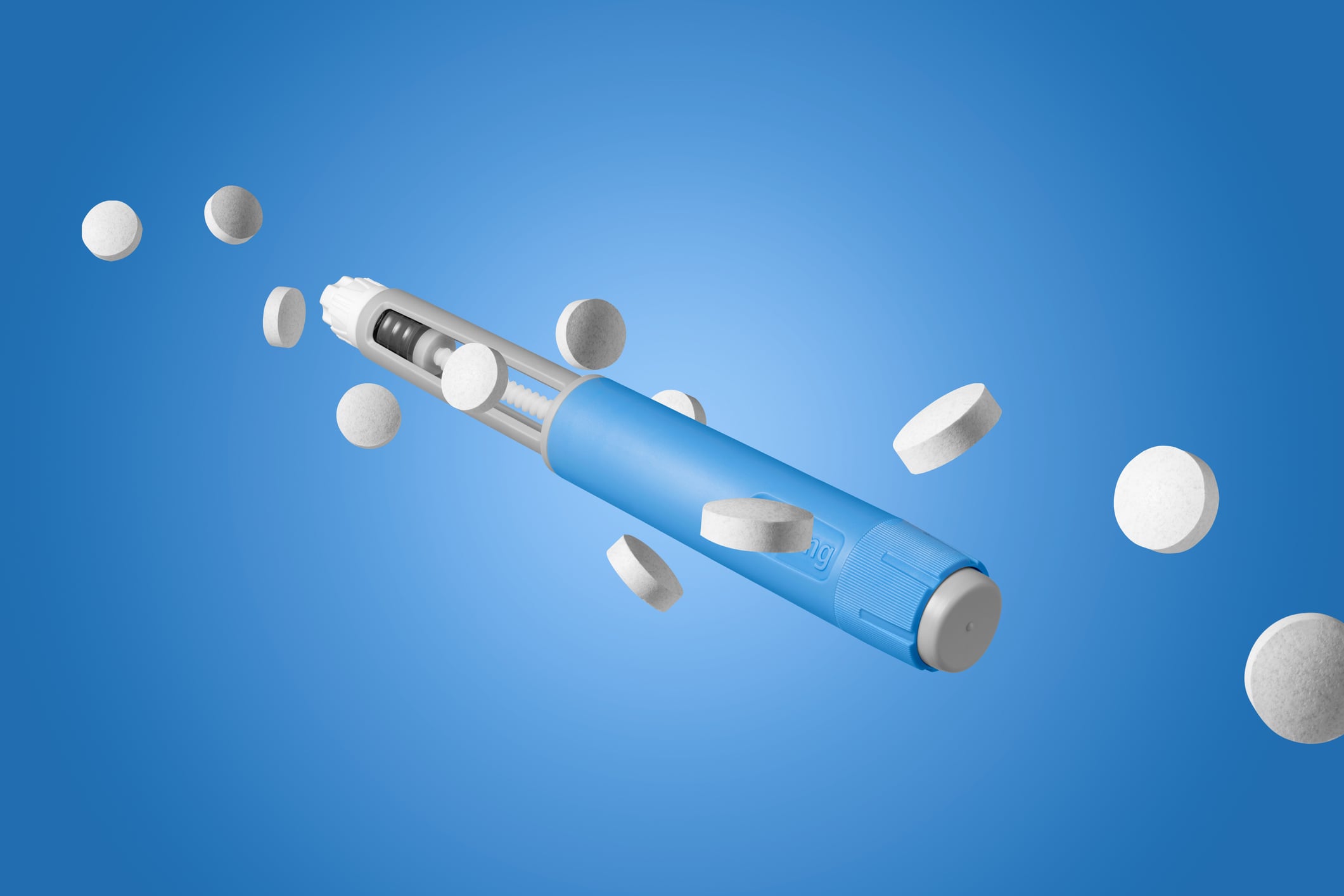
Wegovy Pills vs Injection: Which Is More Effective? (2026 Update)
August 19, 2026
Wegovy pill vs injection: compare the once-daily 25 mg tablet and the once-weekly 2.4 mg shot on weight loss, dosing, side effects, and cost.
When Will Vyvanse Shortage End? 2026 Update
August 12, 2026
When will the Vyvanse shortage end? Get the 2026 update on brand vs generic lisdexamfetamine supply, why it's happening, and what to do if you can't fill your script.

Wegovy Dosing Chart
August 05, 2026
See the full Wegovy dosing chart and schedule. Learn about the starting dose, titration steps, maximum dosage for both pills and pen.