By using WellRx, you accept our Privacy Policy (including the CA Privacy Act policy if you are a CA resident), including our collection of data and use of cookies.
How Long Does Sildenafil Last?
By Alyse Thompson, M.D.
October 7, 2026
Prescription Drugs, Your Health & Wellness
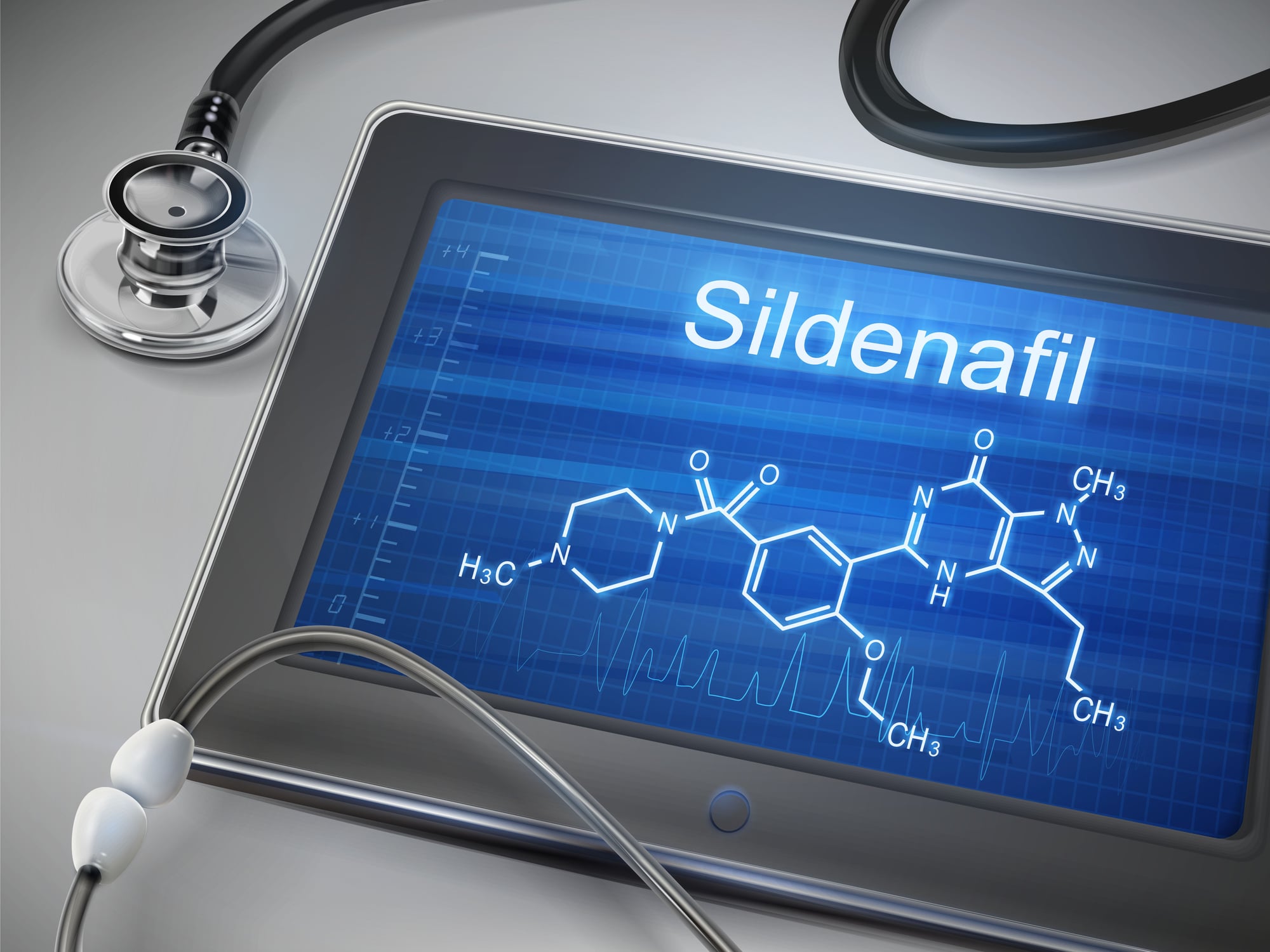
“How Long Does Sildenafil Last”?
Duration and What to Expect
If you're new to sildenafil, or just picked up a refill, you've probably asked, "How long does sildenafil last after you take it?” It's a fair question. Timing matters when you're planning for intimacy. Understanding what to expect can help you use the medication correctly. Sildenafil generally provides its strongest clinically useful effects for about 4 hours, although some people may notice a response beyond that point.
In this guide, we'll walk through how long sildenafil lasts at different doses, what affects its duration, how quickly it kicks in, and answers to the questions we hear most often.
Sildenafil: How Long Does It Last?
So, “how long does sildenafil work” once it's in your system? For most people, sildenafil (the active ingredient in brand-name Viagra) remains active for around 4 hours after you take it. During that window, it can help you achieve and maintain an erection when you're sexually stimulated. Keep in mind, it won't work without arousal, since sildenafil doesn't create desire on its own.
That said, there isn't a one-size-fits-all answer. According to the FDA, sildenafil has a terminal half-life of about 4 hours, meaning it takes roughly that long for your body to clear half of the dose from your bloodstream. Because the drug tapers off gradually rather than shutting off all at once, many people notice at least some effect for a few hours beyond that 4-hour mark, especially at higher doses.
If you're asking "how long will sildenafil last" for your specific situation, the honest answer is that it depends on a combination of factors.
5 Factors That Affect How Long Sildenafil Lasts
Several things can influence "how long is sildenafil effective" for you personally.
1. Age
As you get older, your body may process medications more slowly. The FDA label for sildenafil notes that a lower starting dose should be considered for adults over 65, since this age group tends to have higher plasma concentrations of the drug after dosing. In practice, this can mean the effects take a little longer to clear in older adults compared to younger adults.
2. Kidney or Liver Health
Your liver and kidneys are responsible for metabolizing and clearing sildenafil from your body. If you have moderate-to-severe kidney impairment or liver conditions such as cirrhosis, sildenafil can build up in your system and stay active longer than usual. This is why prescribers often recommend a lower starting dose for people with significant kidney or liver disease.
3. The Dose Taken
Dosage plays a big role in how long sildenafil lasts and how strong its effects feel. Sildenafil is available in 25 mg, 50 mg, and 100 mg tablets. A higher dose generally means more of the drug circulating in your bloodstream, which can translate into a longer effective window and increase the likelihood of side effects.
Some people also ask "how long does bluechew sildenafil last," referring to chewable sildenafil offered through certain telehealth subscriptions. The active ingredient and duration are the same as a traditional tablet. The chewable format changes how it's taken, not how long it works.
As for how long sildenafil side effects last, mild effects like headache or flushing typically follow the same timeline as the medication and fade within a few hours as it clears your system.
4. Food and Alcohol
What you eat and drink before taking sildenafil matters more than you might think. The FDA label states that taking sildenafil with a high-fat meal can delay its absorption, pushing back peak concentration by about an hour and reducing the peak amount absorbed by roughly 29%.
In other words, if you're wondering "how long do the effects of sildenafil last" after a heavy, fatty dinner, the answer is that a big meal may slow how quickly it starts working, even if it doesn't necessarily change once it does kick in.
Alcohol, especially in excess, can make it harder to get and keep an erection on its own. It can also contribute to dizziness or a drop in blood pressure when combined with sildenafil. Moderation is key if you plan to drink and take sildenafil the same evening.
You should also skip the grapefruit juice. Grapefruit contains compounds that block the enzymes that normally break down sildenafil in your gut. This can cause the drug to build up to higher-than-intended levels in your bloodstream, potentially causing it to stay in your system longer and dramatically increasing your risk of side effects like severe headaches or a sudden drop in blood pressure.
5. Other Medications
Certain medications can change how your body processes sildenafil. Drugs that strongly inhibit the CYP3A4 enzyme, including some antifungal medications (like ketoconazole and itraconazole) and certain antibiotics (like erythromycin), can raise sildenafil levels in your blood, which may prolong its activity and increase the risk of side effects.
On the other hand, some medications can reduce sildenafil's effectiveness. Because interactions can be complex, it's important to give your prescriber and pharmacist a complete list of everything you take, including over-the-counter products and supplements.
Never combine sildenafil with nitrate medications, as this combination can cause a dangerous drop in blood pressure.
“How Long Does It Take for Sildenafil to Work”?
"How long does sildenafil take to kick in"? For most people, sildenafil starts working within about 30 to 60 minutes after taking it. However, the FDA label notes that peak blood levels can occur anywhere from 30 minutes to 2 hours after dosing, with a median of about 1 hour. Because of this range, many prescribers suggest taking sildenafil roughly an hour before sexual activity to give it time to reach full effect.
Food is one of the biggest variables. Taking sildenafil on an empty stomach or with a light meal generally means it kicks in closer to the 30-minute mark. A large or high-fat meal can slow absorption and push the onset to 60 to 90 minutes, so timing your dose around meals is worth considering.
Keep in mind that sildenafil only works with sexual stimulation. It doesn't cause an automatic erection just because it's in your system.
“How Long Does Sildenafil Last”? Key Takeaways
To sum it up: sildenafil generally stays effective for about 4 hours, with onset typically occurring within 30 to 60 minutes after taking it. Your age, kidney and liver health, the dose you take, whether you've eaten a heavy meal, and any other medications you're on can all shift that timeline slightly in one direction or another. Taking sildenafil on a lighter stomach and about an hour before sexual activity tends to give the most predictable results.
If cost is a concern, remember that ScriptSave® WellRx can help you find better pricing on your sildenafil prescription. Prices for the same medication can vary significantly from one pharmacy to the next, even between two pharmacies across the street from each other, so it's always worth comparing.
ScriptSave WellRx makes it easy to compare pharmacy prices near you and find free coupons that could save you up to 80% on your medication. Visit wellrx.com to search your prescription and start saving today.*
*DISCOUNT ONLY – NOT INSURANCE. The program is administered by Medical Security Card Company, LLC.
FAQs
“Sildenafil 20 mg: how long does it last”?
A 20 mg dose of sildenafil, sometimes used off-label or in compounded formulations, typically lasts around 4 to 5 hours. Because it's a lower dose, the effects may feel milder than those of the standard 50 mg or 100 mg tablets, and the duration can vary based on your individual metabolism, age, and overall health.
The question comes up often because 20 mg is the standard strength for Revatio, the brand-name version of sildenafil approved for pulmonary arterial hypertension, though it's sometimes prescribed for ED at a provider's discretion. As with any strength, individual responses vary, so talk to your prescriber about which dose makes sense for you.
Sildenafil 30 mg: how long does it last?
A 30 mg dose isn't one of the standard FDA-approved strengths for sildenafil tablets (25 mg, 50 mg, or 100 mg), but it may be available in compounded formulations from certain pharmacies. Generally speaking, a 30 mg dose would be expected to last somewhere between the 4-hour range typical of standard doses, though individual results can vary.
If you've been prescribed a 30 mg dose, it's likely a customized formulation based on your prescriber's assessment of your needs. Always follow your prescriber's specific dosing instructions rather than assuming a standard duration.
“Sildenafil 50 mg: how long does it last”?
Sildenafil 50 mg typically lasts about 4 to 6 hours. This is considered the standard, moderate strength for most adults without significant risk factors, and it tends to offer a reliable balance of effectiveness and tolerability for many people.
If "how long does 50 mg sildenafil last" is your main concern, know that food, alcohol, age, and overall health can each slightly nudge that window. Your prescriber may adjust your dose up or down after your first few uses based on how well it works for you and whether you experience side effects.
“Sildenafil 100 mg: how long does it last”?
The maximum recommended dose of sildenafil, 100 mg, generally lasts around 4 to 6 hours, similar to the 50 mg dose, though some people report effects lasting slightly longer at the higher strength. Ultimately, it still depends on individual factors like metabolism, kidney and liver function, and whether it was taken with food.
It's worth noting that 100 mg isn't necessarily "twice as strong" as 50 mg in terms of duration. Rather, it delivers a higher concentration of the drug, which can improve effectiveness for some people while also increasing the risk of side effects such as flushing or headache.
“How long does sildenafil stay in your system”?
While sildenafil is only effective for about 4 to 6 hours, trace amounts can remain in your body longer. With a half-life of roughly 4 hours, it generally takes about 20 to 24 hours (five half-lives) for sildenafil to be almost completely cleared from your system.
Individual clearance time can be longer for people with kidney or liver impairment, or those over 65, since the FDA label notes higher plasma concentrations in these groups.
“How long does sildenafil last before it expires”?
This question can mean two different things: how long a prescription bottle stays good, or how long the medication remains effective once it's expired. As a general rule, prescription medications like sildenafil should be used by the expiration date printed on the pharmacy label, which is typically about one year from the date it was dispensed, though this can vary.
Taking sildenafil after its expiration date isn't recommended, as the medication's potency can gradually decline, especially if it hasn't been stored properly (in a cool, dry place away from moisture and direct sunlight). If your prescription has expired, check with your pharmacist about getting a new supply rather than using expired tablets.
Does sildenafil last longer than other ED medications?
Not typically. Among the phosphodiesterase-5 (PDE5) inhibitors used for erectile dysfunction, sildenafil's 4-to-6-hour window is actually on the shorter side. Tadalafil, another commonly prescribed ED medication, has a much longer half-life and can remain effective for up to 36 hours, which is why it's sometimes nicknamed "the weekend pill."
That doesn't necessarily make one medication better than the other. It depends on your needs. Some people prefer sildenafil's shorter, more predictable window for planned encounters, while others prefer tadalafil's flexibility. Your healthcare provider can help you decide which option fits your lifestyle.
“How long before sex should I take sildenafil”?
Medical professionals universally recommend taking your prescribed dose of sildenafil approximately 1 hour before you anticipate engaging in sexual intimacy. This 60-minute window aligns perfectly with when the medication reaches peak levels in your bloodstream.
That said, your body can absorb it at slightly different speeds. The FDA label notes that peak blood levels can occur between 30 minutes and 2 hours after dosing, so you have some natural flexibility. To prevent unexpected delays, try to avoid taking your tablet right after a heavy, high-fat meal, which can slow down how quickly it kicks in.
Can you make sildenafil last longer?
There's no proven, safe way to meaningfully extend the effect of a single dose of sildenafil beyond its natural 4-to-6-hour window. You can help it work as effectively as possible by taking it on a light stomach, avoiding excessive alcohol, and timing it consistently around sexual activity, but never increase your dose or take it more often than prescribed in an attempt to stretch its effects.
If 4 to 6 hours doesn't fit your lifestyle, talk to your prescriber about alternatives like tadalafil, which lasts significantly longer.
How long does Sildenafil show up on a drug test?
Sildenafil isn't part of the standard drug testing panels used for employment or routine screenings, which typically look for substances like opioids, THC, or amphetamines. Specialized tests can detect it in blood or urine for a period that roughly corresponds to how long it takes to clear your system, around 20 to 24 hours for most people. If you have concerns about a specific test, speak with the testing organization or your healthcare provider.
“How long is sildenafil good for”?
Once effective, a single dose of sildenafil is generally considered good for about 4 to 6 hours, though your ability to achieve an erection during that window still depends on sexual stimulation. "How long is sildenafil good for" in terms of shelf life is a separate question. Unopened, properly stored tablets are typically good until the expiration date on the label, usually around one year from dispensing.
To get the most reliable results each time you take it, store your sildenafil at room temperature, away from moisture and heat, and always check the expiration date before use.
Author Bio
Alyse Thompson, M.D., is a freelance medical writer with experience caring for patients in primary and urgent care settings. She also has a master's degree in basic medical science. She has managed acute and chronic diseases and participated in medical and pharmaceutical research.
References
https://www.accessdata.fda.gov/drugsatfda_docs/label/2014/20895s039s042lbl.pdf
https://www.mayoclinic.org/drugs-supplements/sildenafil-oral-route/description/drg-20066989
https://medlineplus.gov/druginfo/meds/a699015.html
https://www.wellrx.com/sildenafil-citrate/drug-information/
https://www.wellrx.com/sildenafil-citrate/lifestyle-interactions/
https://pubmed.ncbi.nlm.nih.gov/11879254/
https://pmc.ncbi.nlm.nih.gov/articles/PMC5603624/
https://pmc.ncbi.nlm.nih.gov/articles/PMC12260751/
https://www.accessdata.fda.gov/drugsatfda_docs/label/2014/021845s011,022473s004,0203109s002lbl.pdf

Save on the Go
For your convenience, use the ScriptSave®WellRx mobile app. Now savings are well in hand, right at the pharmacy counter. Save on your family's prescription medicines.


Get a Prescription Discount Card
Your choice. Get a ScriptSave WellRx Savings Card. Or Download the free mobile app from the App Store or Google Play Store

Grocery Guidance
ScriptSave WellRx Grocery Guidance leverages leading-edge nutritional data science to help you know which food products on your grocery store shelf are truly good for YOU.
Recommended Articles

Ozempic Face: What It Is, Causes, & How to Prevent It
September 23, 2026
Ozempic face explained: what it is, what causes the hollow, aged look from rapid weight loss, who gets it, and how to prevent or treat it.
Saxenda vs Wegovy: Which Burns More Fat in 2026?
September 10, 2026
Saxenda vs Wegovy compared for 2026. See which GLP-1 leads to more weight loss, plus differences in dosing, side effects, cost, and overall effectiveness.

Is Ozempic Safe? FDA Data, Side Effects & Long-Term Risks (2026)
August 27, 2026
Discover Ozempic's safety profile, common side effects, long-term risks, and who should avoid it. Learn how to use it safely for diabetes and weight loss.